

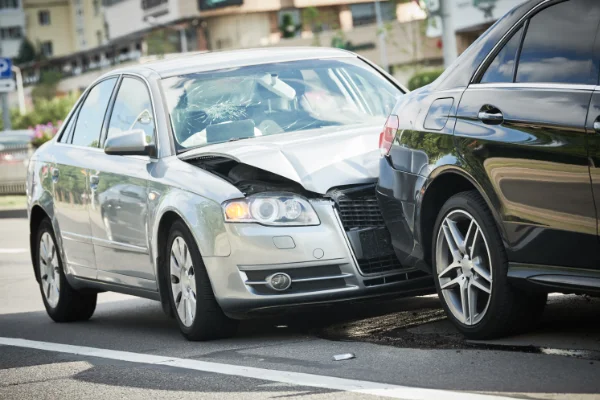
If you’ve been injured in a car accident, you’re probably facing a mountain of questions: How will I pay my medical bills? What about the income I’m losing while I recover? What can I do about my pain and stress?
Car accident compensation covers much more than most people realize. From immediate medical costs to long-term emotional suffering, the laws in Oregon and Washington allow you to seek payment for both the financial and personal impacts of your accident. Both Oregon and Washington laws require the at-fault party to compensate you for economic and non-economic losses.
OlsenDaines has spent over 46 years helping accident victims across Oregon and Washington get the compensation they deserve.
Navigating auto accident claims can feel overwhelming, especially when you’re trying to heal. That’s why we want to help you understand exactly what types of car accident damages you may be able to claim and how compensation is determined.
Types of Auto Accident Damages
Economic Damages
Economic damages are the costs you can count. They have clear dollar amounts attached to them, which makes them easier to calculate and prove.
Medical Expenses
- Medical damages are among the most common types of car accident compensation. Nearly every accident involves some level of injury that requires treatment. Even minor injuries often require medical attention, and the costs add up quickly.
- The range of medical expense compensation varies based on the severity of injuries. Minor injuries might result in a few thousand dollars in medical compensation, while severe injuries (involving surgeries, extended hospital stays, or permanent disabilities) can lead to compensation in the hundreds of thousands or even millions of dollars.
- To document and prove your medical damages, you’ll need to keep detailed records of every medical appointment, treatment, and expense related to your accident.
Loss of Income & Earning Capacity
- Compensation amounts for lost wages are calculated based on your actual earnings before the accident. This includes your base wages, bonuses and commissions, overtime pay you would have earned, as well as the value of lost benefits, like health insurance and retirement contributions.
- If your injuries prevent you from returning to your previous career or working at the same capacity, you may be entitled to compensation for the difference in lifetime earnings.
- To provide these damages, you’ll typically need pay stubs and tax returns (showing your pre-accident income), documentation from your employer (confirming your time away from work), and medical records (connecting your injuries to your inability to work).
Property Damage
- Your vehicle and any other property damaged in the accident should also be covered in your car accident compensation. This includes the cost to repair your vehicle (or its fair market value if it’s totaled), damage to personal items (inside your car at the time of the crash), and any other property damaged in the accident.
- Compensation amounts depend on the extent of the damage and the value of the property.
- To document property damage, take photographs of all damage immediately after the accident, get written repair estimates from multiple sources, and keep receipts for any items that were damaged or destroyed.
Non-Economic Damages
Non-economic damages are harder to measure because they cover things that don’t come with a price tag. Just because these damages are harder to calculate doesn’t mean they’re less important. In many cases, non-economic damages make up a significant portion of car crash compensation.
Pain & Suffering
- Pain and suffering damages are available in virtually all car accident claims where injuries occur.
- The amount of compensation varies widely based on the severity and duration of your pain, how your injuries affect your daily life, and whether your pain is expected to continue in the future.
- To document pain and suffering, we recommend noting how your injuries affect your activities. Medical records showing the nature and extent of your injuries are also crucial.
Emotional Distress & Mental Anguish
- Many accident victims experience anxiety, especially when driving or riding in vehicles. Depression is common when injuries limit activities and independence. Some people develop post-traumatic stress, including flashbacks and nightmares about the accident. Sleep disturbances and changes in mood or personality are also frequently reported.
- Proving emotional distress often requires documentation from medical professionals connecting your condition to the accident and evidence of any treatment you’ve received for emotional or psychological issues. Your own testimony about how the accident has affected your mental state is also important.
Schedule a Free Appointment!
Our appointments are free until you file and your concerns are addressed!"*" indicates required fields
How Are Car Accident Damages Determined?
Several factors influence how compensation is calculated, including:
- Severity of your injuries: More serious injuries typically result in higher medical expenses, longer recovery times, and greater impact on your daily life.
- Clarity of fault: When it’s clear that the other driver was entirely at fault, it’s easier to recover full compensation. In cases where fault is shared, OR and WA’s comparative negligence rules reduce your compensation by your percentage of fault.
- Documentation: Well-documented medical treatment, clear evidence of lost wages, and thorough records of your pain and suffering all strengthen your case.
- Insurance coverage: If the at-fault driver has minimal insurance coverage and few assets, it may be difficult to recover the full value of your damages, even if your claim is strong.
How a Car Accident Attorney Can Help
Navigating car accident claims on your own can be overwhelming, especially when you’re dealing with injuries and insurance companies that may not have your best interests at heart.
The auto accident lawyers at OlsenDaines can help by handling all communication with insurance companies, gathering evidence to document your damages, working with medical and vocational experts to establish the full extent of your losses, negotiating for fair car accident compensation, and representing you in court.
Is There a Time Limit for Filing My Claim?
In Oregon, you generally have two years from the date of the accident to file a personal injury claim, though some cases have shorter notice requirements of six months or one year. In Washington, the statute of limitations is typically three years.
Because of these deadlines and the importance of gathering evidence while it’s fresh, we strongly recommend contacting an attorney as soon as possible after your accident.
Call OlsenDaines to Get Your Compensation
If you’ve been injured in a car accident in Oregon or Washington, you deserve compensation for all the ways the accident has affected your life.
OlsenDaines’ experienced car accident attorneys are ready to guide you through the claims process and fight for the full compensation you deserve. We’re here to answer your questions, explain your options, and help you take the next steps toward recovery.
Contact us today to schedule a free consultation.