
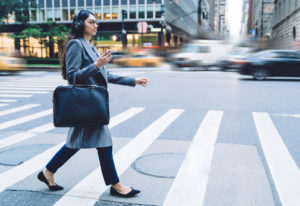
 If you’ve been in a pedestrian accident, you know how terrifying the ordeal can be – and how it can leave you wondering what to do next. At OlsenDaines, we have over 40 years of experience as pedestrian accident attorneys in Oregon and Washington, and we can help you guide you on your next steps.
Get the justice you deserve – schedule a free consultation today with one of our experienced pedestrian accident lawyers. We are committed to fighting for you to ensure you get the justice you deserve in your pedestrian accident case, and receive the compensation to which you’re entitled.
How Your Pedestrian Accident Lawyer Fights for You
To put it simply, we protect your rights and secure the best possible outcome for your case. From the moment you or your family reaches out to our firm, we’ll step up to handle the entire legal burden so you can focus on the most important thing – your recovery.
We’ll launch a thorough investigation to establish the facts of the case, ensuring the insurance company does not control the narrative. We gather evidence, interview witnesses, and consult with experts to build the strongest possible case. If a settlement cannot be reached, we are prepared to take your case to court to ensure you receive the compensation you deserve.
Throughout the process, we help you with:
- Investigation and Evidence Preservation: Pedestrian accidents often require immediate action to secure CCTV or security footage. We have the resources to obtain these records and preserve crucial scene evidence.
- Counteracting Insurance Tactics: Insurance adjusters try to minimize payouts by claiming pedestrians are partially responsible. We act as an extra layer of protection, handling all communications to prevent them from twisting your words or unfairly blaming you.
- Managing Legal Deadlines: We’ll ensure you don’t miss any filing requirements while navigating the recovery process.
- Focusing on the Recovery: Handing off the case management to us allows you and your family to prioritize healing while we advocate on your behalf.
- Proper Claim Valuation: In most pedestrian accident lawsuits, damages go way beyond the immediate medical bills. We consult with experts to get an accurate calculation on future rehabilitation, long-term care needs, lost earning capacity, and non-economic damages like pain and suffering.
What Constitutes a Pedestrian Accident?
Did you know you don’t have to be walking to be considered a pedestrian? You might be changing a tire, in a wheelchair, or even cleaning off your windshield.
For the purposes of legally defining what a “pedestrian accident” is, you are considered a pedestrian if you were not in a vehicle at the time of the accident.
Common Types of Pedestrian Accidents
- Crosswalk and Intersection Failures: The most common scenario. A driver is turning left or right at an intersection, looking for other cars, and completely fails to look for pedestrians who legally have the right-of-way in the crosswalk.
- Back-Over Accidents: These frequently happen in parking lots or driveways. Drivers fail to look at their backup cameras or mirrors, striking pedestrians behind the vehicle.
- Dart-Out / Mid-Block Crashes: When a pedestrian steps into the road away from an intersection. Insurance companies always claim the pedestrian was 100% to blame, but these often involve speeding or distracted drivers who had plenty of time to stop.
- Sidewalk or Shoulder Encroachment: A distracted, drunk, or fatigued driver drifts off the main roadway and strikes a pedestrian who is safely walking on a sidewalk, median, or paved shoulder.
Schedule a Free Appointment!
Our appointments are free until you file and your concerns are addressed!What to Do If You’re a Pedestrian in an Accident
The human body is fragile. An automobile is a large, powerful machine that must be operated with the utmost care and caution. Even at a speed of 10 mph, accidents involving pedestrians and vehicles often result in serious or life-threatening injuries. If you were hit by a motor vehicle, your first priority should be your immediate well-being and safety.
Aside from getting medical attention, here are some additional steps you can consider:
- Call the Police / Seek Medical Attention: Unlike a vehicle vs vehicle accident, police are required to respond when a pedestrian is hit. If you are injured, prioritize your health and safety above anything else.
- Get the Driver’s Name, Address, and Insurance Information: If a police officer responds, they can assist you with that.
- Obtain Evidence: If possible, get photos of the scene and vehicle that hit you. Take a photo of the license plate. Speak to anyone who might have witnessed the accident and get their contact information.
- If You Have Your Own Car Insurance Policy, Contact It ASAP: Oregon law requires that your Personal Injury Protection benefits are primary. Getting the insurance claims set up correctly early on can save you additional hassle.
Your Oregon & Washington Pedestrian Accident Law Firm
If you’ve been involved in a pedestrian accident, OlsenDaines is here for you. Determining who is at fault in these types of accidents is often difficult, but our Oregon and Washington pedestrian accident attorneys have the experience to help. We’ll dedicate our time to ensure you receive the compensation you deserve and help you through this difficult time.
Contact us today or fill out our online form to get started with a free legal consultation. We have personal injury law offices conveniently located throughout Oregon and Washington.
Pedestrian Accident Law FAQs
(These FAQs are not legal advice for your specific case)
Got questions about pedestrian accidents in Oregon and Washington? This is a complex topic and every case is unique. We’ll be happy to dive into the details of your case and answer any specific questions you may have during your complimentary legal consultation.
In the meantime, here are some of the most common questions we get about pedestrian accidents.

